Biometric Sensors Drive Real-Time Adjustments in Cross-Device Digital Poker Environments
Leon Klein · Sep 7, 2026
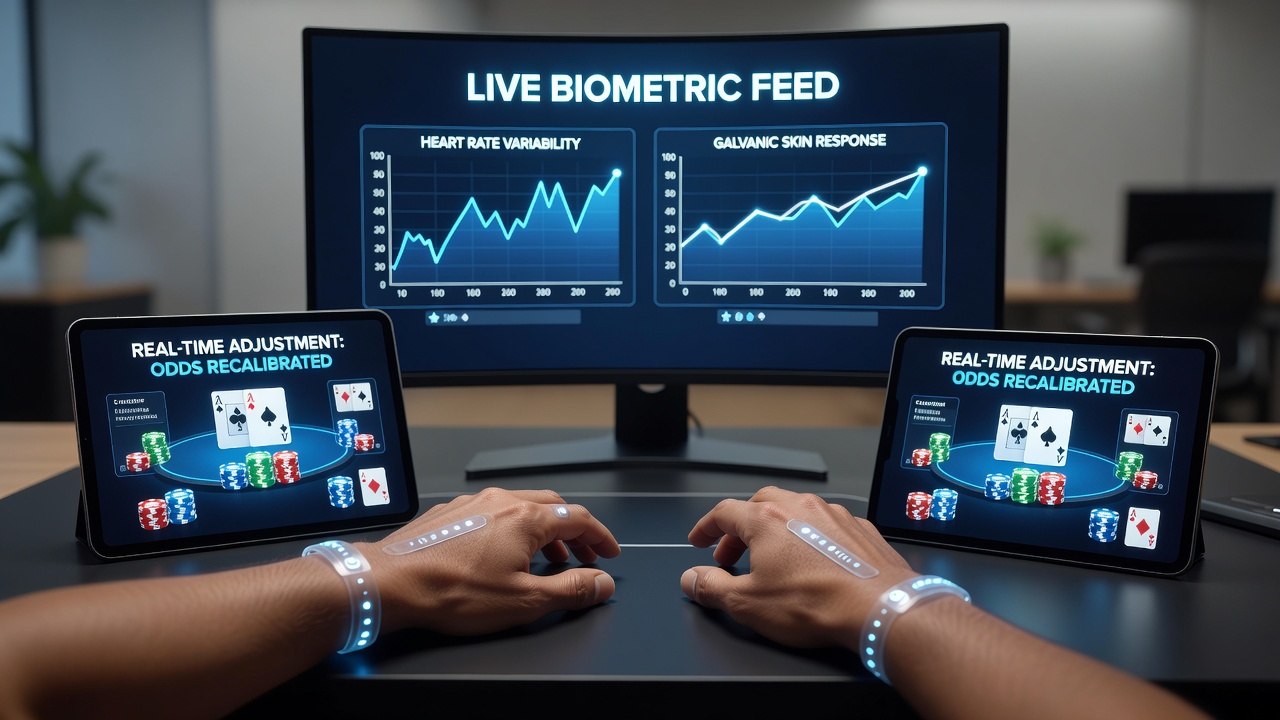
Biometric Sensors Drive Real-Time Adjustments in Cross-Device Digital Poker Environments
Biometric sensors now connect directly to digital poker platforms that operate across phones, tablets, and desktop systems, allowing systems to modify game parameters based on physiological signals such as heart rate variability, skin conductance, and pupil dilation. These adjustments occur during live sessions, and developers integrate data streams from wearable devices with software that tracks player performance metrics in real time. Research indicates that platforms synchronize inputs from multiple sensors to maintain consistent experiences when users switch between devices mid-session.
Core Technologies Behind Sensor Integration
Heart rate monitors embedded in smartwatches feed continuous readings into poker applications, while cameras on mobile devices capture micro-expressions and eye movement patterns during hand play. Data shows that skin conductance sensors attached to controllers or phone cases detect stress spikes that trigger automatic pauses or reduced bet sizing options. Observers note that these inputs combine with session timers and spending caps already present in many systems, creating layered safeguards that respond without manual intervention from the player.
Platforms employ algorithms that process biometric streams alongside traditional gameplay data, and this fusion allows for immediate changes such as slowing the pace of dealing when elevated heart rates appear. Studies from academic institutions have documented similar setups in simulated environments, and the same methods now extend to commercial poker rooms that support cross-device login through cloud-based accounts.
Multi-Device Synchronization Mechanisms
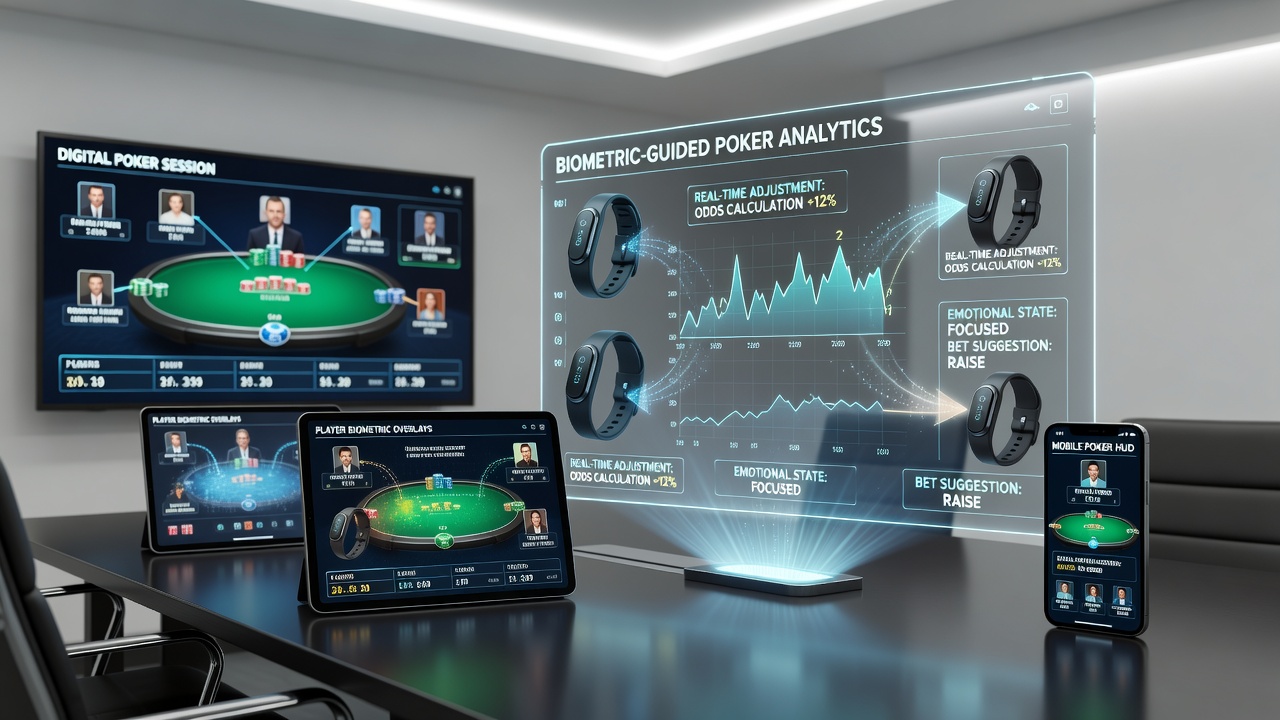
When a player begins a session on a phone and later moves to a tablet, the biometric profile carries over through encrypted cloud profiles that update every few seconds. This continuity prevents abrupt resets in monitoring thresholds, and systems maintain records of prior physiological baselines to calibrate new device inputs accurately. Figures reveal that synchronization protocols reduce latency in adjustment triggers to under two seconds across major operating systems.
One case study from a platform operating in regulated North American markets demonstrated how eye-tracking data from a desktop webcam aligned with wrist-based heart rate data from a paired watch, and the combined feed prompted an automatic reduction in table stakes after sustained high-arousal readings. Those who have reviewed platform logs report that such adjustments occur more frequently during evening hours when fatigue indicators tend to rise across user populations.
Regulatory Developments Through September 2026
By September 2026 several state gaming commissions had begun requiring operators to log biometric adjustment events alongside standard responsible gaming reports. Data from these filings indicate that platforms using sensor-guided features recorded lower rates of extended play sessions exceeding four hours compared with non-sensor versions. The American Gaming Association has published summaries of these early compliance figures, while research groups at the University of Nevada have examined how such systems interact with existing player self-exclusion lists.
European regulatory bodies outside the UK, including those in Malta and the Netherlands, have issued draft guidance that addresses data privacy concerns tied to continuous biometric collection during poker play. These documents emphasize consent mechanisms and anonymization standards that operators must apply before deploying sensor features across devices.
Practical Applications and Player Response Patterns
Operators report that biometric triggers most commonly activate notifications suggesting breaks or hydration reminders rather than forcing session termination. In some implementations the system temporarily dims the interface or offers simplified decision prompts when stress markers exceed predefined thresholds. Players who switch devices mid-tournament experience seamless continuation of these adjustments because the underlying profile remains active on the server side.
Industry reports compiled through mid-2026 show that adoption rates vary by jurisdiction, with higher uptake in markets that already mandate session limit tools. Those who have analyzed retention data note that users who receive sensor-based prompts tend to return to play within shorter intervals than users who encounter only static time limits. The same reports highlight that desktop sessions display the most granular adjustments because larger screens accommodate additional visual feedback elements without disrupting gameplay flow.
Conclusion
Biometric sensor integration continues to expand within digital poker environments that support multiple devices, and current implementations focus on physiological signals that inform automatic modifications to pace, notifications, and stake options. Regulatory bodies in multiple regions have begun incorporating these features into compliance frameworks, while academic and industry analyses track usage patterns through 2026. The technology relies on synchronized data streams that travel with user accounts, allowing consistent monitoring regardless of device transitions.