Biometric Wearables Reshape Custom Risk Controls in Mobile Betting Platforms
Finley Lorenz · Nov 2, 2026
Biometric Wearables Reshape Custom Risk Controls in Mobile Betting Platforms
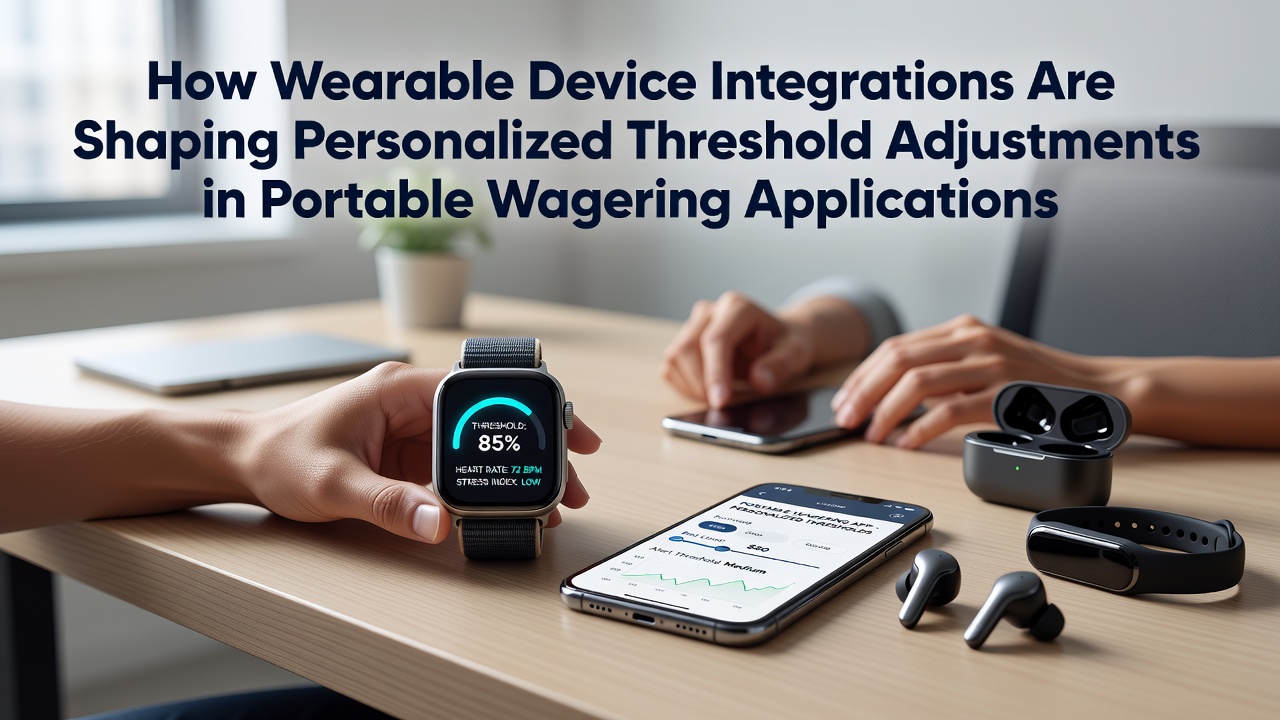
Portable wagering applications now pull live data from wearable devices to modify deposit caps, bet sizes, and session alerts on an individual basis, and this integration draws on heart rate variability, sleep patterns, and activity levels collected through sensors in devices such as smartwatches and fitness bands. Developers embed application programming interfaces that let apps receive streams from wearables, then feed those inputs into decision algorithms that raise or lower thresholds before a user places a wager. In November 2026 several major platforms rolled out updates that expanded compatibility with additional device models, allowing more users to link their daily health metrics directly to account settings.
Core Mechanisms Behind the Adjustments
Algorithms analyze biometric signals alongside historical betting behavior, so a sudden spike in resting heart rate during late-night sessions can trigger an automatic reduction in maximum stake size while a stable, low-stress reading might permit a temporary increase within pre-set boundaries. The process runs continuously in the background, and it relies on encrypted data transfers that comply with platform privacy policies rather than sharing raw medical information with third parties. Observers note that these loops operate through rule-based trees that weigh multiple variables at once, such as time of day combined with movement data, before executing any change to the user interface.
One documented approach uses machine learning models trained on anonymized datasets from thousands of accounts, and those models identify patterns where elevated stress markers correlate with higher loss rates across similar demographic groups. When the system detects a match it applies a scaled adjustment, often communicated to the user through an in-app notification that explains the change without revealing the underlying sensor readings. This method keeps the experience seamless while still delivering measurable personalization.
Regulatory and Industry Context
State-level gaming authorities in the United States have begun reviewing these biometric features as part of broader responsible gambling frameworks, and data from the National Council on Problem Gambling shows increased interest in technology that ties physical indicators to spending safeguards. Platforms must demonstrate that adjustments remain transparent and reversible at user request, which has led developers to include manual override toggles alongside the automated system. In parallel, European regulators continue to examine how such integrations align with data protection standards that govern health information.
Industry reports indicate that adoption rates climbed steadily through 2025 and into 2026, driven by partnerships between app operators and device manufacturers who share standardized data protocols. These collaborations allow consistent performance across different hardware ecosystems, and they reduce the friction users face when connecting a new wearable for the first time.
Practical Implementation Examples
Take one platform that integrated wrist-based heart rate monitors with its session timer feature, and the result was a measurable drop in extended play periods among users who opted into the program. The system flagged prolonged elevated heart rates during active betting windows and responded by extending cool-down intervals between rounds. Another case involved a daily fantasy operator that linked step-count data to deposit limits, reasoning that higher daily activity often reflected better overall wellness and therefore supported slightly higher thresholds for verified accounts.
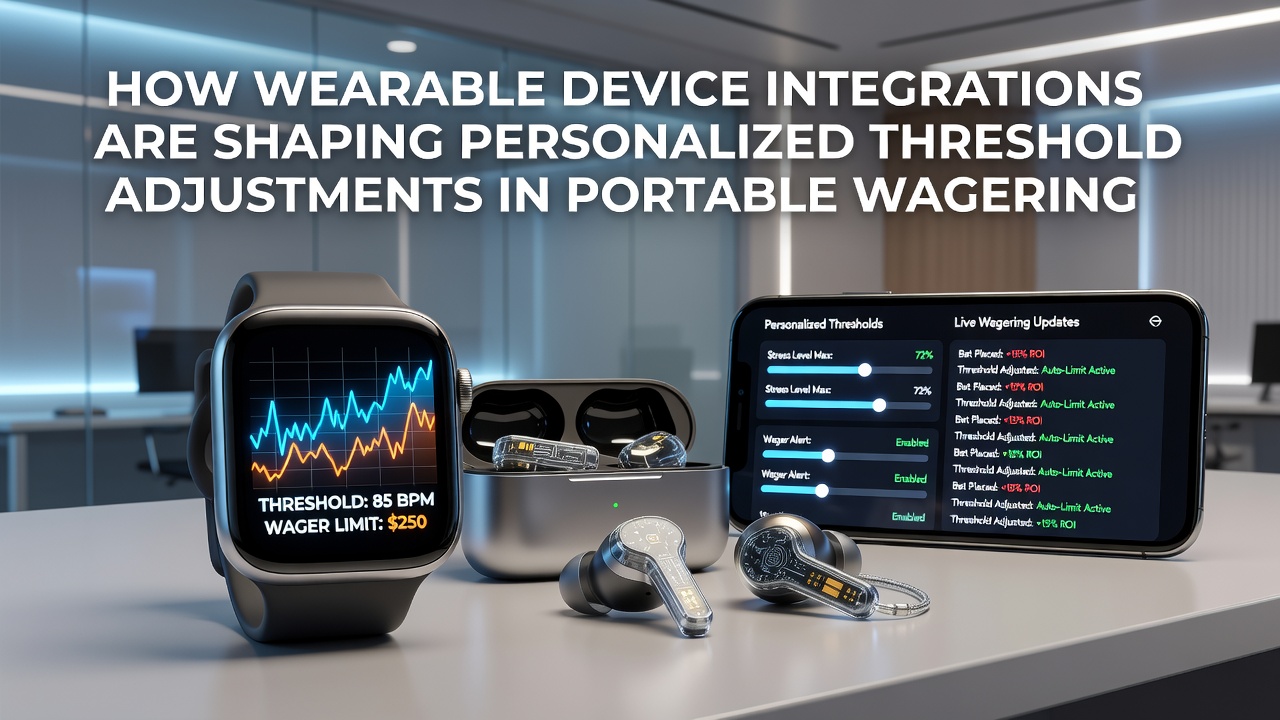
Users receive periodic summaries that display how their biometric trends influenced threshold settings over the preceding week, and these reports help individuals understand the connection between their physical state and wagering activity. Because the adjustments occur in real time, the system can respond to changes within minutes rather than waiting for end-of-day reviews, which marks a shift from static limit tools used in earlier app versions.
Technical and Privacy Considerations
Engineers design the data pipelines to minimize storage of sensitive readings on company servers, instead processing most calculations on the device itself before transmitting only the derived threshold value. This on-device approach satisfies many security audits while still enabling the personalization that users expect. Studies from research institutions such as those affiliated with the Responsible Gambling Council have examined user acceptance of these features, and findings reveal that clear explanations of how biometric data influences limits increase opt-in rates.
Yet challenges remain around accuracy, because consumer-grade sensors vary in precision across brands and models, and platforms must account for that variability when calibrating their algorithms. Firmware updates from device makers can alter sensor output, requiring ongoing maintenance of integration code to prevent false positives or missed signals that might affect threshold decisions.
Future Developments and Broader Adoption
As more jurisdictions finalize rules around digital wagering, developers anticipate additional requirements for auditing biometric-driven adjustments, and this could include third-party verification of the algorithms themselves. In November 2026 several trade associations hosted workshops focused on standardizing data formats so that thresholds could transfer smoothly when users switch between operators. Such standards would reduce fragmentation and allow consistent experiences across different portable applications.
Academic papers published in 2025 and 2026 have begun exploring correlations between specific biometric markers and decision-making speed in simulated betting environments, providing fresh datasets that operators can incorporate into their models. These studies emphasize the value of combining multiple signals rather than relying on any single metric, and they highlight the need for continuous validation against real-world outcomes.
Conclusion
Wearable integrations continue to expand the toolkit available for managing personalized thresholds in portable wagering applications, and the technology blends sensor data with behavioral analytics to create responsive safeguards. Platforms that maintain transparent processes and respect user control over these features position themselves for sustained regulatory acceptance and broader user engagement. As device capabilities advance and data protocols mature, the scope of real-time adjustments is expected to widen while remaining grounded in established privacy and compliance practices.