Cross-Platform Navigation Patterns Emerge from Wagering Analytics
Zoe Jenkins · Oct 5, 2026
Cross-Platform Navigation Patterns Emerge from Wagering Analytics
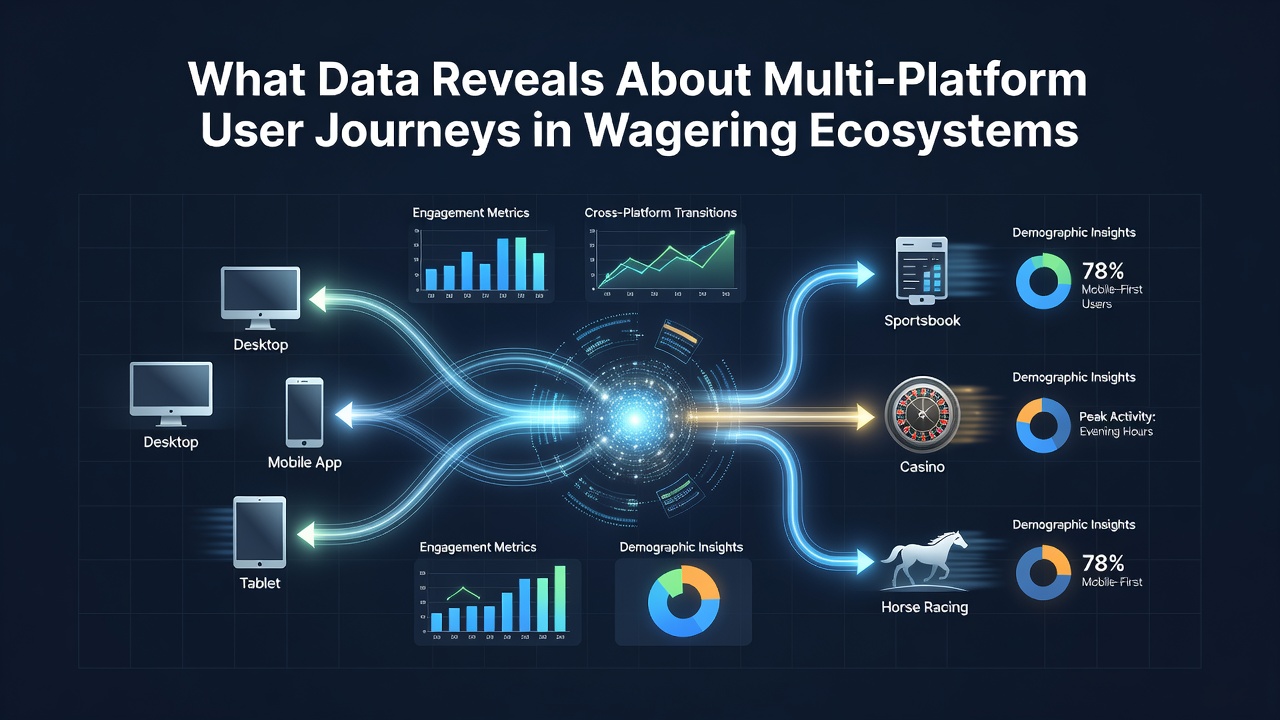
Platform data collected through 2026 shows users frequently begin sessions on mobile devices before shifting to desktop interfaces for extended analysis, while researchers at multiple industry labs track these transitions through session logs and device identifiers. October 2026 figures from aggregated operator reports indicate that roughly 62 percent of wagering accounts interact with at least two distinct platforms within a single week, and patterns hold steady across regulated markets in North America and parts of Europe.
Session Initiation and Device Sequencing
Most journeys start on smartphones during brief windows such as commutes or breaks, according to telemetry compiled by several large operators, yet the same accounts often move to laptops or tablets when users seek larger screens for reviewing odds tables and historical data. Studies compiled by the University of Nevada Reno gaming research group demonstrate that average session length increases by 34 percent after a platform switch occurs, and this extension appears tied to deeper engagement with statistical overlays rather than impulsive placement of bets.
Operators note that push notifications sent from mobile apps frequently trigger the initial login, after which users complete verification steps on desktop systems where multi-factor authentication feels more convenient. Data from Canadian provincial regulators shows similar sequencing, with tablet usage peaking in evening hours as households settle into shared viewing of sports events.
Demographic Variations in Platform Preference
Younger cohorts aged 21 to 34 demonstrate the highest rate of daily cross-device movement, whereas users over 55 maintain longer single-platform sessions yet still switch when accessing account statements or withdrawal functions. Industry surveys conducted by the American Gaming Association reveal that 48 percent of surveyed bettors cite screen size as the primary reason for device changes, while 29 percent mention network speed and stability during live events.

Geographic differences surface as well. Australian users tracked through state-level reporting tend to favor mobile throughout entire sessions, whereas European data sets indicate more balanced splits between phones and home computers, particularly in markets where desktop access remains common for regulatory compliance checks. Observers tracking these flows note that regulatory requirements around identity verification often force platform changes when users must upload documents that display more clearly on larger screens.
Retention Metrics and Journey Continuity
Retention improves when operators maintain consistent account states across devices, according to internal metrics shared at industry conferences in mid-2026. Users who complete at least one cross-platform transition within their first seven days show 22 percent higher 90-day activity rates than those who remain on a single interface. Platform synchronization features, such as shared bet histories and real-time balance updates, appear central to this continuity, and several operators have reported measurable lifts in lifetime value after implementing unified login systems.
Case examples from major networks illustrate how friction at transition points leads to drop-off. When authentication fails during a switch, roughly 17 percent of sessions end without further activity, according to logs examined by compliance teams. Those who succeed in moving between platforms, however, continue placing wagers at higher volumes on subsequent visits.
Conclusion
Overall patterns documented through October 2026 underscore that multi-platform engagement forms a core characteristic of contemporary wagering ecosystems, and operators who map these journeys gain clearer views of user needs at each stage. Continued collection of device-level telemetry across jurisdictions will likely refine these insights further as synchronization technologies advance.