Digital Loyalty Systems and the Role of Behavioral Thresholds in Multi-Game Player Retention
Leon Klein · Nov 16, 2026
Digital Loyalty Systems and the Role of Behavioral Thresholds in Multi-Game Player Retention
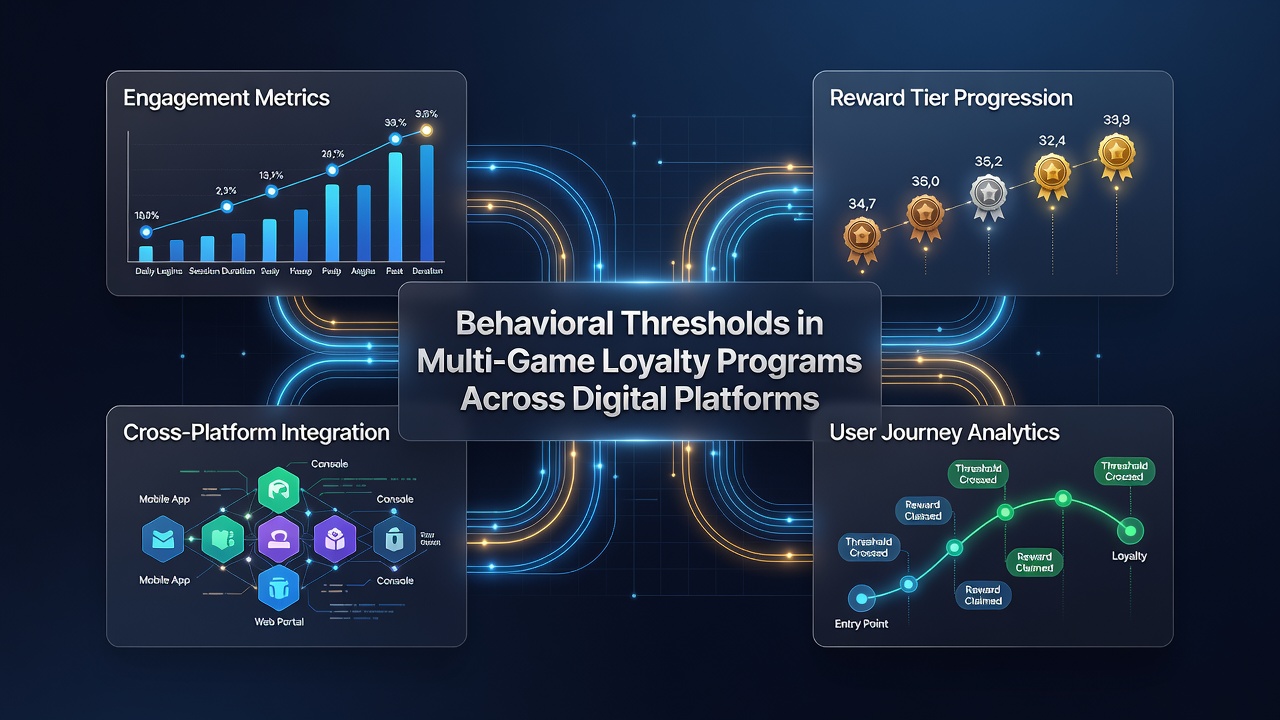
Digital platforms integrate behavioral thresholds into multi-game loyalty programs to manage player progression across slots, table games, sports betting, and poker environments, and these systems track activity metrics such as wager volume, session frequency, and game variety to unlock tier benefits. Observers note that platforms set specific numerical triggers, for instance requiring a player to accumulate 5,000 points from combined game types before advancing from basic to mid-level status, while data from 2025 industry reports indicate that such cross-game requirements increase retention rates by encouraging broader participation rather than single-title focus.
Research indicates that algorithmic models adjust thresholds dynamically based on aggregated user patterns, and operators in regulated markets like those overseen by the Nevada Gaming Control Board collect anonymized datasets to refine these parameters. One study from academic researchers at the University of Nevada examined how thresholds influence session length, revealing that players who reach intermediate milestones within 30 days show higher continued activity levels across different game categories compared to those who remain at entry tiers.
Mechanics of Threshold Implementation Across Game Categories
Platforms divide loyalty structures into categories where thresholds incorporate contributions from multiple verticals, such as weighting sports betting stakes at 1 point per dollar while assigning 2 points per dollar on slot play, and this weighting system directs player attention toward underutilized titles. Data shows that multi-game programs in operation during November 2026 adjusted these ratios quarterly based on engagement analytics, with some operators raising the sports betting multiplier to balance seasonal fluctuations in participation. Those who have analyzed retention figures observe that players crossing a combined threshold of 10,000 points across at least three game types demonstrate longer overall platform tenure than single-game participants.
Thresholds also incorporate time-based elements, including requirements to maintain activity within rolling 90-day windows, and this approach prevents stagnation while allowing flexibility for varying player schedules. Experts have documented cases where platforms introduce bonus multipliers during promotional periods, such as doubling points earned from poker tournaments in late-year campaigns, which accelerates tier advancement for engaged users without altering base calculations.
Data Patterns and Retention Outcomes
Studies found that platforms employing behavioral thresholds report measurable shifts in player distribution, with increased activity in secondary games once primary thresholds are met, and figures from aggregated operator data reveal average point accumulation rates rising 18 percent when cross-game incentives activate. Australian research institutions tracking similar systems note parallel trends in markets with established digital wagering frameworks, where loyalty tiers tied to diverse game exposure correlate with steadier revenue streams over multi-month periods.
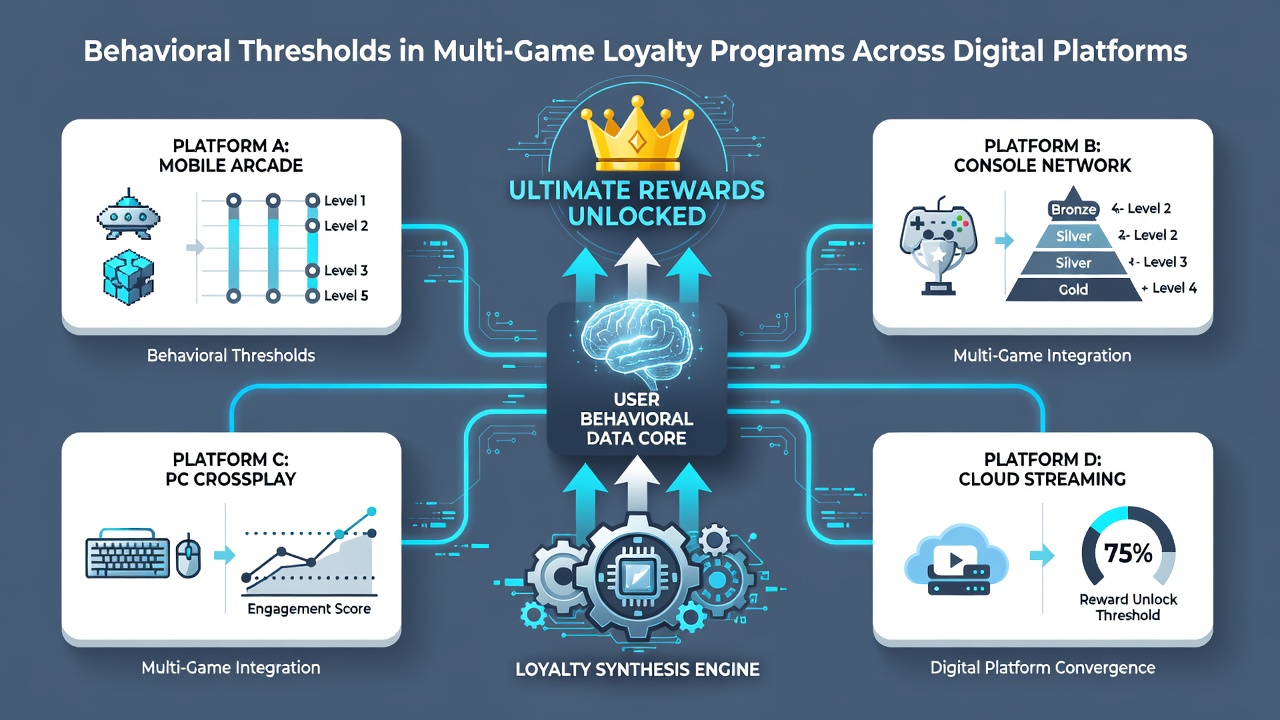
What's interesting is how segmentation occurs at higher tiers, where platforms impose additional behavioral conditions such as minimum spend across live dealer tables or live sports events, and these layers create distinct pathways that reward diversified engagement. Observers note examples where a player reaches elite status only after satisfying both volume thresholds and variety requirements, resulting in documented increases in session diversity according to internal platform metrics shared in industry conferences.
Regulatory Context and Platform Adaptations in Late 2026
Regulatory bodies in multiple jurisdictions require transparency around threshold mechanics, and operators submit detailed reports outlining how points convert across game types to ensure compliance with consumer protection standards. In November 2026 several North American and European platforms updated their loyalty interfaces to display real-time progress toward next-tier thresholds, incorporating visual breakdowns that separate contributions by game category. Research indicates these updates align with broader efforts to provide clearer information, as evidenced by guidelines from groups such as the American Gaming Association on responsible program design.
Platforms further refine thresholds using machine learning models trained on historical datasets, allowing automatic calibration when player cohorts exhibit changes in behavior patterns, and this technical layer supports scalability across large user bases without manual intervention. Those who've studied cross-platform comparisons highlight that systems operating in Canada and Australia often feature similar multi-game structures yet differ in point valuation based on local regulatory preferences.
Conclusion
Behavioral thresholds in multi-game loyalty programs continue to evolve as digital platforms integrate more comprehensive tracking across titles, and available data from regulatory submissions and academic analyses demonstrate their role in shaping player activity distributions. Continued monitoring by industry organizations and research bodies will likely inform future adjustments to these systems as participation patterns shift through 2027 and beyond.