Retention Trends Emerge from Loyalty and Session Monitoring Alignments in Mobile Gaming Environments
Felix Reed · Oct 19, 2026
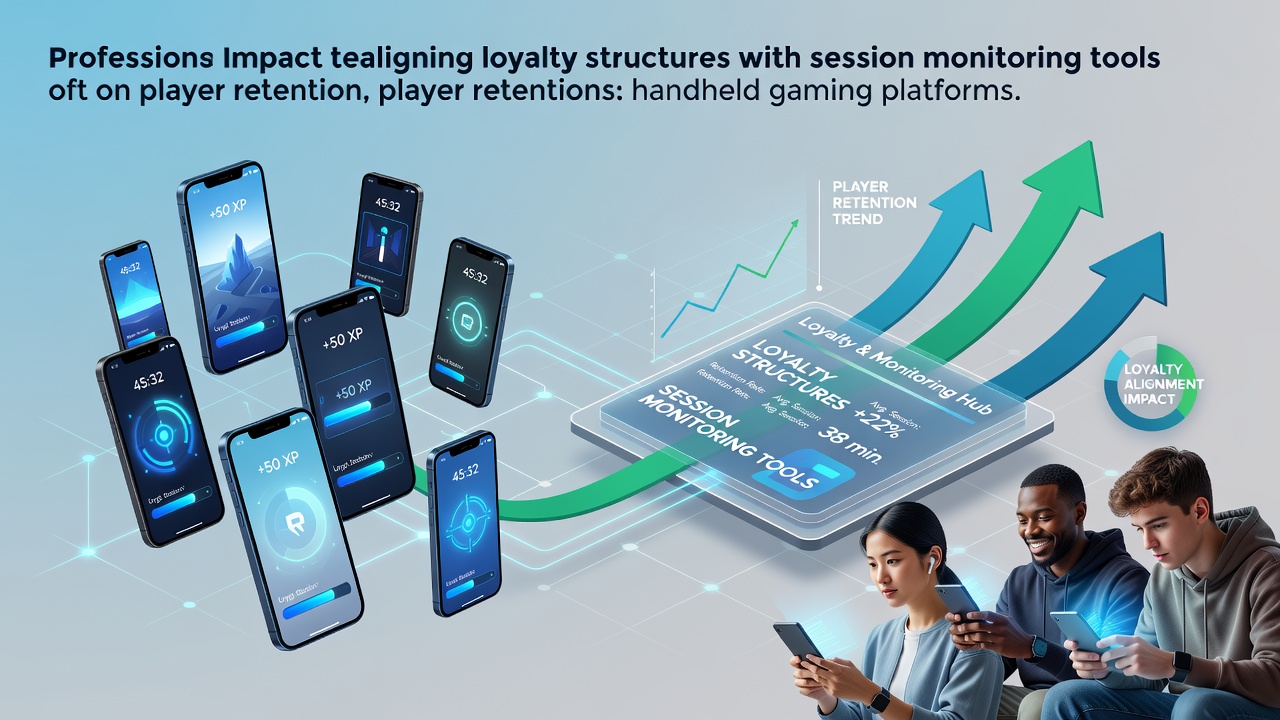
Retention Trends Emerge from Loyalty and Session Monitoring Alignments in Mobile Gaming Environments
Operators on handheld platforms have integrated loyalty structures with session monitoring tools in recent years, and data from multiple markets indicates measurable shifts in player retention as a result. These alignments typically connect reward tiers, bonus multipliers, and personalized incentives to real-time data on session length, wager frequency, and spending velocity. Regulatory filings and industry reports show that such synchronization began accelerating in 2024 and continued through 2026, particularly on iOS and Android applications where push notifications and in-app prompts deliver tailored offers during active play.
Mechanics of Alignment Between Systems
Loyalty programs traditionally award points based on total handle or time spent, while session monitoring tools track individual play periods to enforce responsible gaming limits or trigger interventions. When the two systems connect, algorithms adjust reward delivery according to session health indicators such as rapid deposit sequences or extended consecutive play without breaks. A 2025 analysis by the American Gaming Association noted that operators implementing these linkages observed changes in repeat visit rates across state-regulated markets, with variations depending on how thresholds were calibrated. In October 2026, several platforms updated their integration protocols following new compliance guidelines issued by the Nevada Gaming Control Board, which required clearer disclosure of how session data influences reward eligibility.
Observed Retention Patterns Across Markets
Figures from operator disclosures reveal that retention metrics respond differently once loyalty incentives sync with session oversight. Short sessions under fifteen minutes often receive micro-rewards designed to extend play modestly, whereas longer sessions trigger cooling suggestions paired with deferred loyalty credits. Research from the University of Nevada, Las Vegas gaming laboratory tracked cohorts across multiple apps and found retention lifts of approximately eight to twelve percent in segments where loyalty points accrued only after minimum session intervals were met. Conversely, players encountering spending velocity alerts combined with reduced reward rates showed higher churn within the first thirty days of exposure. These patterns held across both sports betting and casino-style applications on handheld devices, though effect sizes differed by jurisdiction.
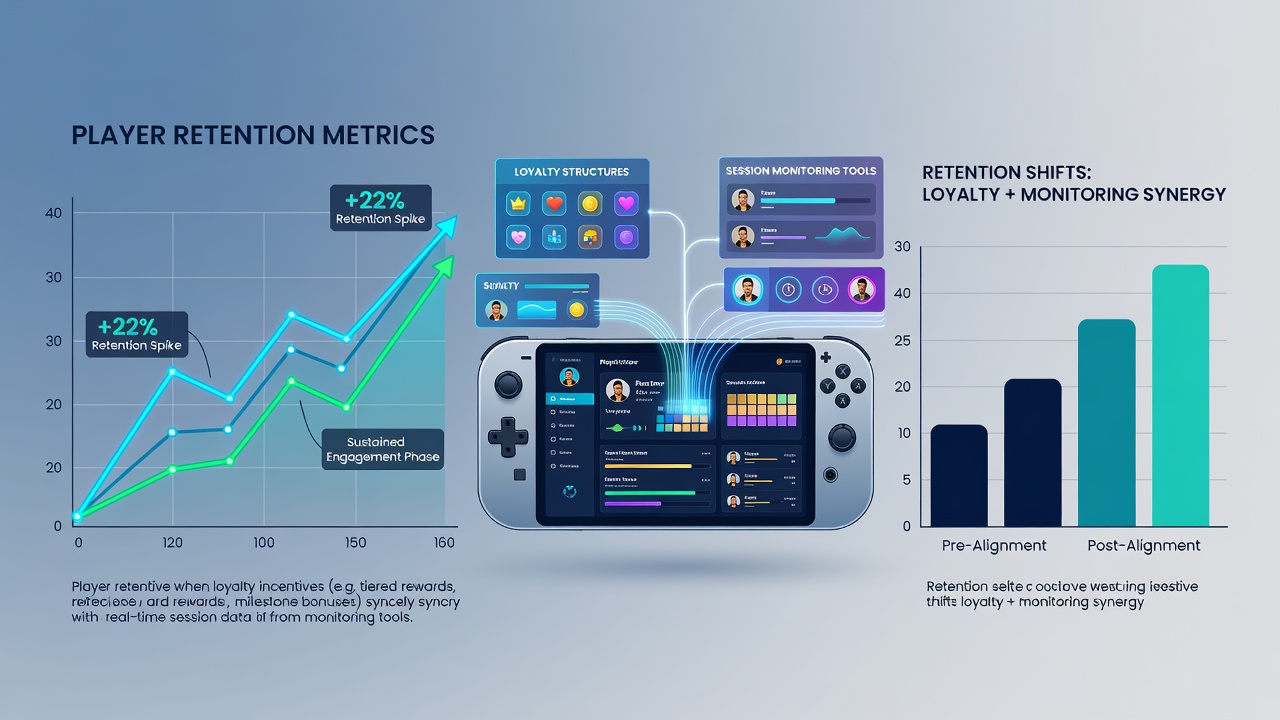
Canadian provincial regulators reported similar trends in their 2026 quarterly summaries, noting that Ontario's regulated market experienced a stabilization in thirty-day retention after several major apps aligned their VIP structures with mandatory session time disclosures. The alignment allowed operators to deliver loyalty bonuses at natural break points rather than during continuous play streaks, which correlated with lower voluntary self-exclusion rates in monitored cohorts.
Technical Implementation on Handheld Devices
Handheld platforms present unique constraints because of variable network conditions and device resource limits. Developers therefore rely on lightweight APIs that push session metadata to backend loyalty engines without interrupting gameplay. Push notification frameworks deliver tier upgrades or point multipliers only when algorithms detect session patterns matching historical retention benchmarks. In October 2026, several operators introduced edge-computing elements that process basic session flags locally on the device before syncing with central servers, reducing latency for real-time reward adjustments. This approach maintains compliance with data minimization rules while enabling the loyalty-monitoring linkage that drives the observed retention effects.
Regulatory Context and Data Reporting
State and provincial authorities require periodic reporting on how these integrated systems affect player behavior. The New Jersey Division of Gaming Enforcement began collecting specific metrics on loyalty-session interactions in early 2026, and preliminary aggregates released in October indicated modest but consistent retention improvements when reward delivery respected session cooling periods. Similar data collection frameworks exist in Michigan and Pennsylvania, where operators must document any changes to churn rates following system updates. Academic researchers have accessed anonymized datasets from these jurisdictions to model long-term retention curves, confirming that alignment reduces the incidence of abrupt drop-offs compared with unlinked systems.
Conclusion
Integration of loyalty structures with session monitoring tools on handheld platforms continues to produce measurable retention shifts according to regulatory reports and academic analyses through October 2026. Patterns vary by calibration of thresholds and reward timing, yet consistent data from multiple jurisdictions shows operators achieving more stable player cohorts when incentives respect session boundaries. Ongoing refinements in API design and regulatory reporting will likely shape further developments in how these systems interact on mobile devices.